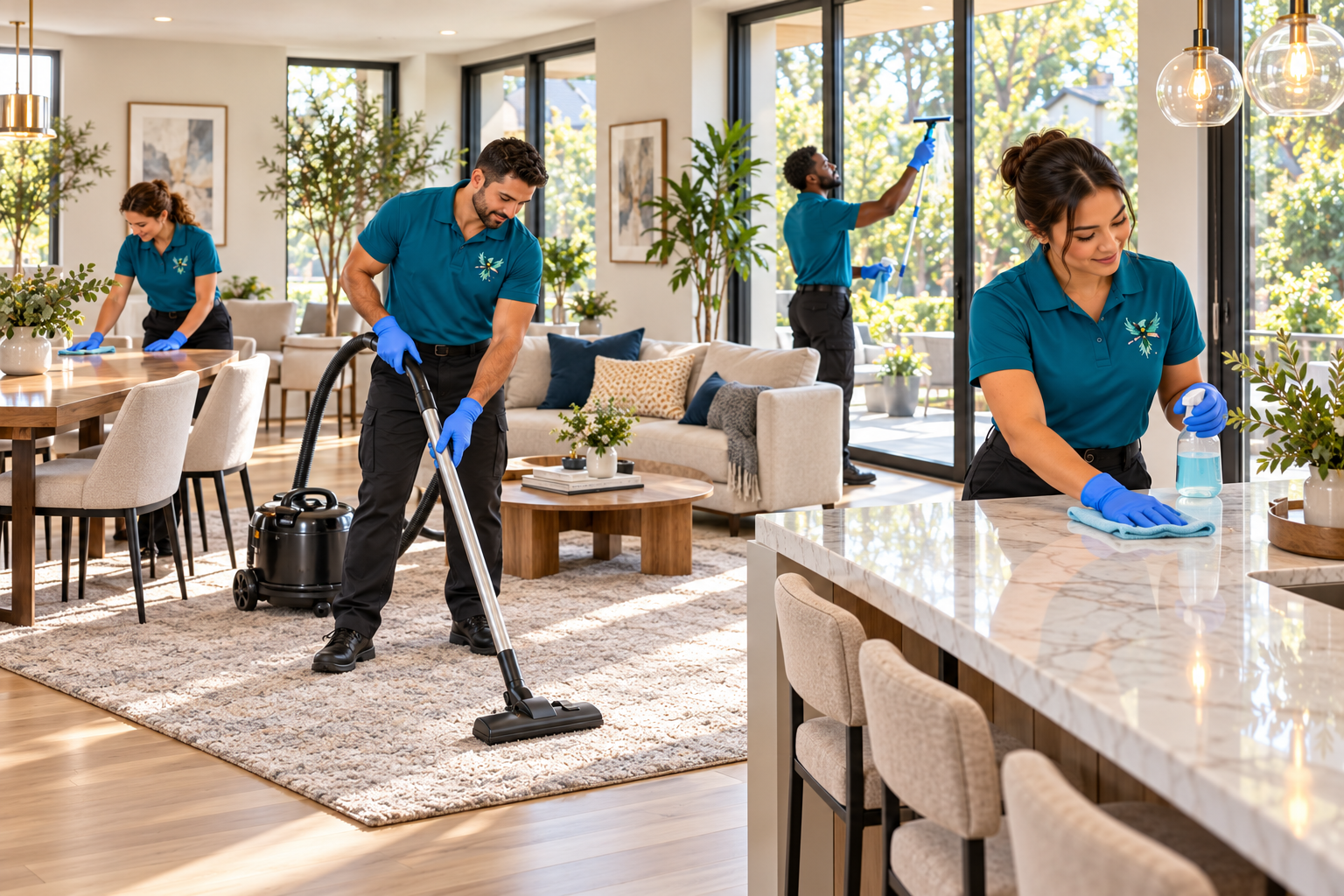

Keeping your home clean isn’t just about daily tidying or weekly chores. Deep cleaning plays a big role in maintaining a healthy, comfortable, and organized living space. But one common question homeowners and renters ask is: how often should you deep clean each room?
The answer depends on how each room is used, how many people live in your home, and whether you have pets or allergies. Below is a room-by-room guide to help you understand what deep cleaning means and how often it should be done.
What Is Deep Cleaning?
Deep cleaning goes beyond regular cleaning. While regular cleaning includes surface-level tasks like wiping counters or vacuuming floors, deep cleaning focuses on areas that are often overlooked, such as:
- Behind and under furniture
- Inside appliances
- High-touch and hard-to-reach spots
- Built-up dirt, grease, and dust
Deep cleaning helps improve indoor air quality, reduces germs, and keeps your home looking fresh.
Living Room: Every 3–6 Months
The living room is one of the most-used spaces in the house. Dust, pet hair, and everyday clutter can build up quickly.
Deep cleaning tasks include:
- Vacuuming carpets, rugs, and upholstery
- Cleaning under furniture
- Dusting ceiling fans, light fixtures, and baseboards
- Washing throw pillows and blankets
- Cleaning windows and window sills
If you have pets or allergies, aim for every 3 months. Otherwise, twice a year is usually enough.
Kitchen: Every 1–3 Months
The kitchen needs frequent deep cleaning because it’s where food is prepared. Grease, crumbs, and bacteria can accumulate fast.
Deep cleaning tasks include:
- Cleaning inside the oven, microwave, and refrigerator
- Wiping down cabinets and handles
- Scrubbing backsplash and walls
- Cleaning behind and under appliances
- Sanitizing trash cans
For most homes, a monthly to quarterly deep clean keeps the kitchen safe and hygienic.
Bathroom: Every 1–2 Months
Bathrooms are high-moisture areas where mold, mildew, and germs thrive.
Deep cleaning tasks include:
- Scrubbing tile grout and shower doors
- Disinfecting toilets, sinks, and tubs
- Cleaning exhaust fans
- Washing shower curtains and bath mats
- Removing limescale and soap buildup
A deep clean every month is ideal, especially for shared bathrooms.
Bedrooms: Every 3–6 Months
Bedrooms may look clean, but dust mites, skin cells, and allergens can build up over time.
Deep cleaning tasks include:
- Washing pillows, comforters, and mattress covers
- Vacuuming mattresses
- Cleaning under the bed
- Dusting closets and shelves
- Wiping doors, handles, and switches
Deep clean bedrooms at least twice a year, or more often if you have allergies.
Dining Room: Every 3–6 Months
Dining rooms don’t need as much attention as kitchens, but crumbs and dust still collect.
Deep cleaning tasks include:
- Cleaning dining chairs and upholstery
- Polishing table surfaces
- Dusting light fixtures and corners
- Cleaning walls and baseboards
A seasonal deep clean works well for most dining areas.
Laundry Room: Every 6 Months
Laundry rooms are easy to forget, but need occasional deep cleaning.
Deep cleaning tasks include:
- Cleaning the washing machine and dryer
- Wiping down shelves and cabinets
- Cleaning lint traps and vents
- Mopping floors and walls
Deep clean your laundry room twice a year to keep appliances running efficiently.
Home Office: Every 3–6 Months
Dust and clutter can affect focus and productivity.
Deep cleaning tasks include:
- Dusting electronics and cords
- Organizing drawers and paperwork
- Cleaning keyboards, screens, and desks
- Vacuuming chairs and floors
A quarterly deep clean helps keep your workspace fresh and organized.
Entryway & Hallways: Every 1–3 Months
These areas collect dirt from outside and are often overlooked.
Deep cleaning tasks include:
- Cleaning doors and handles
- Washing walls and baseboards
- Cleaning shoe racks and mats
- Mopping floors thoroughly
Deep clean these spaces every few months, especially during rainy or snowy seasons.
Bonus Tips for Staying on Track
- Create a deep cleaning schedule and spread tasks throughout the year
- Focus on one room at a time to avoid burnout
- Use the right cleaning tools for better results
- Consider professional deep cleaning once or twice a year
Final Thoughts
Deep cleaning doesn’t have to be overwhelming. By knowing how often to deep-clean each room in your home, you can maintain a cleaner, healthier environment without stress. A consistent schedule helps protect your home, improves air quality, and makes everyday cleaning much easier.
A little planning goes a long way toward a cleaner, happier home.